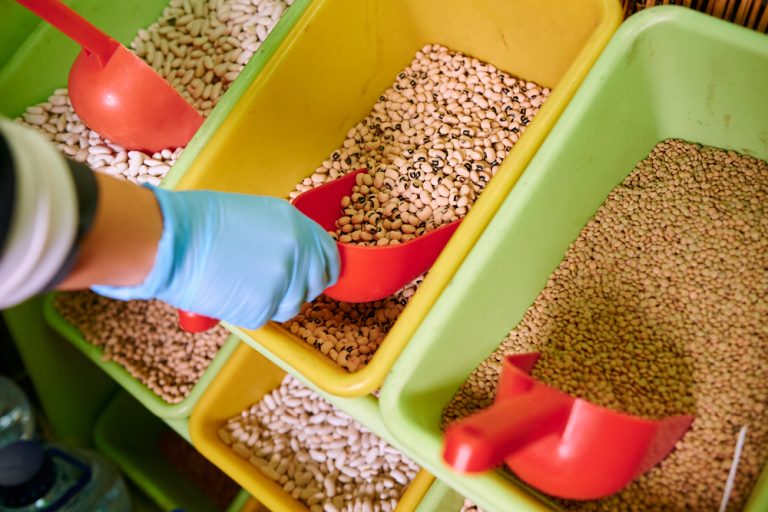
A two-dollar bag of pinto or black beans looks like dinner, not a packet of garden seed. But dried beans are mature seeds, which raises an irresistible frugal-gardening question: could you take a handful from the grocery bag, put them in the ground, and eventually harvest far more beans than you started with? The answer…
seeds
What Happens If You Plant Spring Bulbs Upside Down?
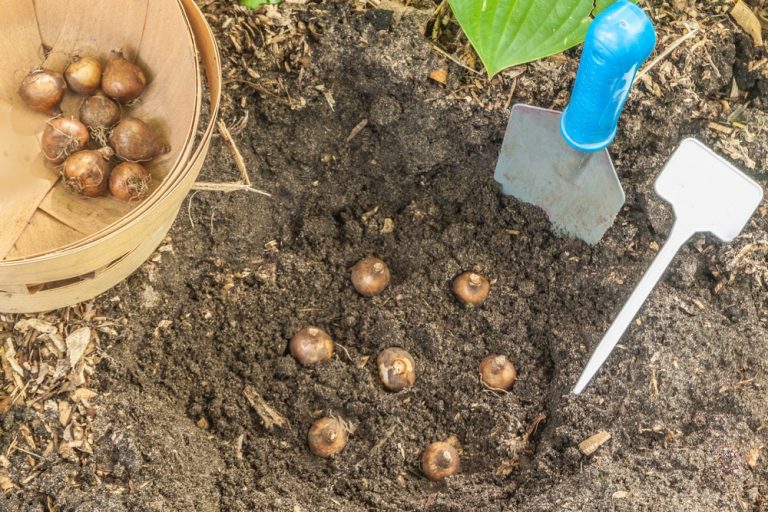
You spent an afternoon planting tulips, daffodils, or crocuses, cleaned the dirt from your hands, and then suddenly had a terrible thought: Were some of those bulbs upside down? Garden instructions usually tell you to put the pointed end up and the flatter root end down, so realizing you may have reversed a few can…
Can You Grow Grocery Store Garlic Instead of Buying Seed Garlic?
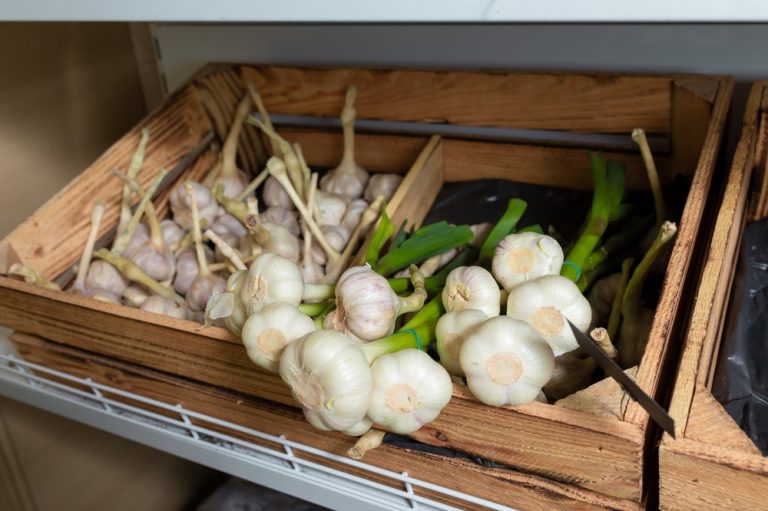
Standing in the produce aisle, it’s easy to wonder why you’d pay a premium for seed garlic when an ordinary bulb of garlic may cost only a dollar or two. After all, garlic isn’t normally grown from botanical seed—you break a bulb apart and plant individual cloves, which makes grocery store garlic look like an…
Can Growing Garlic Really Save Money Over Buying It at the Grocery Store?
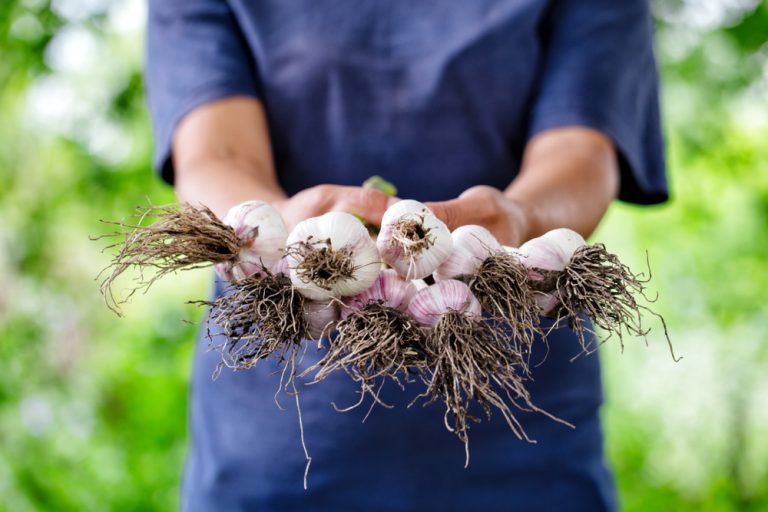
Garlic seems like the perfect frugal garden crop: bury a clove, wait several months, and pull up an entirely new bulb. But when grocery-store garlic is relatively inexpensive, does growing garlic actually save enough money to justify giving it garden space? The answer depends heavily on what you pay for planting stock, how many bulbs…
7 Garden Plants Worth Saving Seeds From Instead of Buying Them Again Next Year
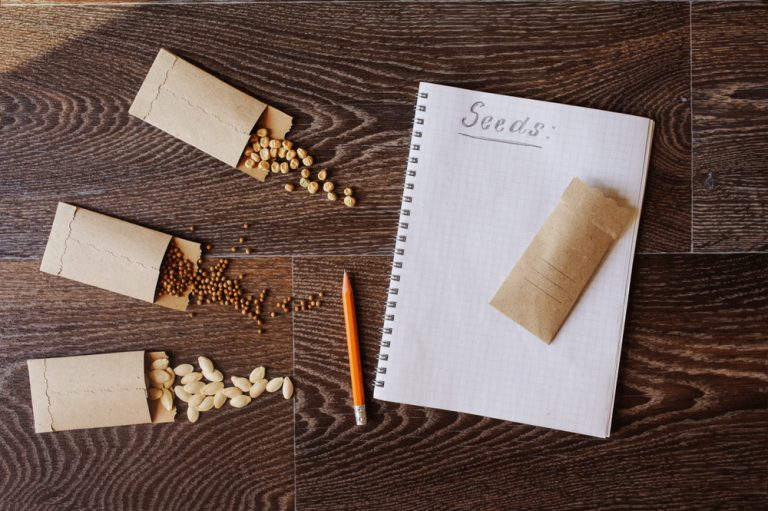
Gardeners routinely pull up plants in fall and throw away something they’ll pay money to replace a few months later: seeds. One healthy tomato, bean plant, pepper, or flower can potentially provide enough seed to start multiple plants next season, making saving garden seeds one of the simplest ways to trim next year’s gardening budget….
Is Starting From Seed Still Cheaper Than Buying Plants? Let’s Do the Math
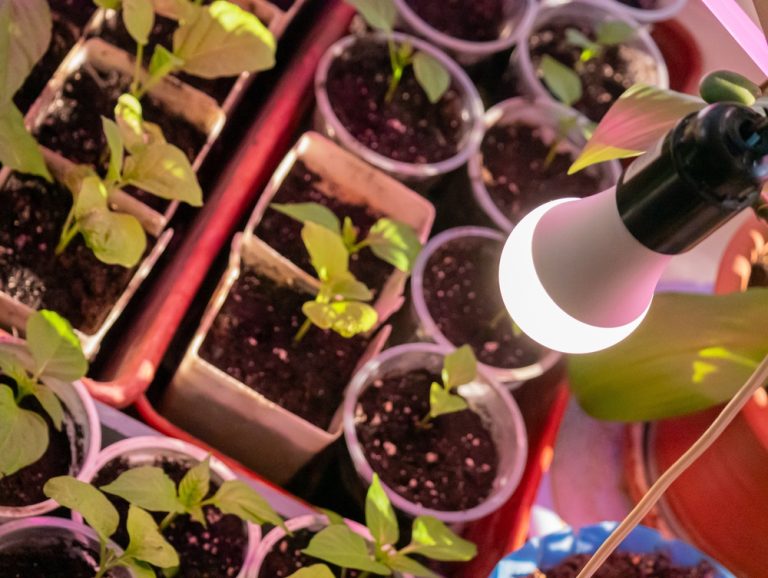
A $4 tomato plant doesn’t sound expensive until you need six tomatoes, four peppers, a tray of lettuce, basil, broccoli, and a few flowers. Suddenly, the spring garden-center trip costs $60 before anything has gone into the ground, making a $3 packet containing dozens of seeds look like an obvious bargain. But the real seed…
We Compared Dollar Store Seeds With $5 Premium Seeds — Does Paying More Matter?
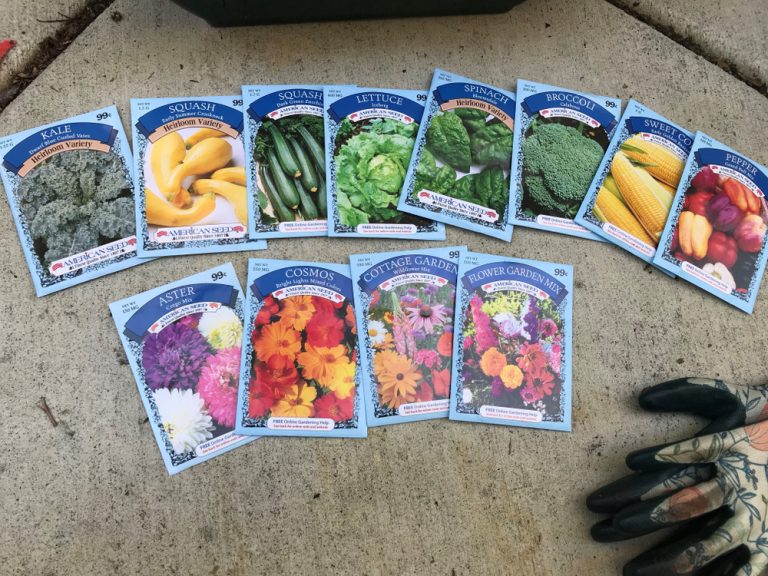
Walk into a dollar store in late winter and you might find vegetable seed packets selling for a fraction of what the glossy garden catalog charges. Put a 50-cent packet beside a $5 packet of seemingly similar tomato, lettuce, or cucumber seeds, and it’s reasonable to wonder what you’re actually getting for that extra $4.50….
Before Buying Cheap Seeds From an Overseas Seller, Check These USDA Rules

A packet of unusual flower or vegetable seeds for $2 can look like one of the easiest gardening bargains you’ll find online. But if the seller is shipping those seeds from another country, you’re not simply ordering inexpensive garden supplies—you may legally be importing plant material into the United States. The USDA’s Animal and Plant…
Those “Rare Blue Strawberry” Seeds Online Look Amazing — But Do They Actually Exist?
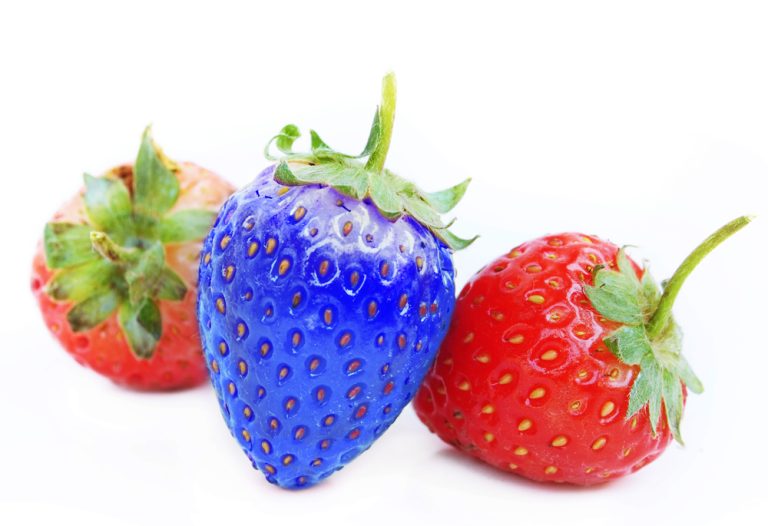
Scroll through online seed listings long enough and you’re almost guaranteed to encounter something that makes an ordinary garden look boring: electric-blue strawberries, rainbow roses, purple watermelons, or another spectacular plant you’ve never seen at a nursery. Photos of so-called blue strawberry seeds are especially convincing because the fruit often looks just realistic enough to…
5 Red Flags an Online Seed Seller May Not Be Legitimate
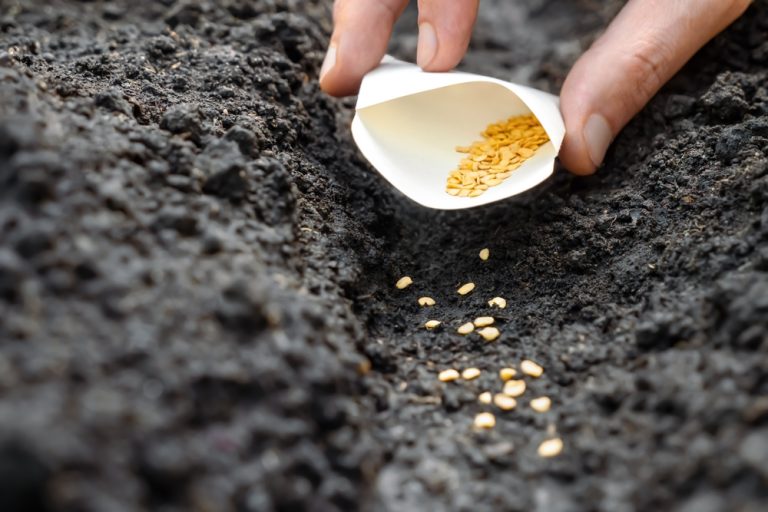
That packet of rare blue tomatoes or rainbow-colored roses may cost only $4.99, but wasting five dollars isn’t the biggest risk when buying questionable seeds online. You could spend weeks tending empty pots, receive something completely different from what was advertised, or unknowingly order seeds that don’t comply with U.S. import requirements. Online marketplaces and…